Enhancing Thermal Efficiency in Log Homes: Sustainable Solutions by Kenneth Fuller Mar 01, 2026
Understanding the unique nature of log homes is the first step in enhancing their energy efficiency. Unlike conventional homes, log houses rely heavily on the thermal mass effect. This principle leverages the logs' ability to absorb, store, and gradually release heat, naturally regulating indoor temperatures. However, to maximize this benefit, thorough maintenance and strategic enhancements are essential.
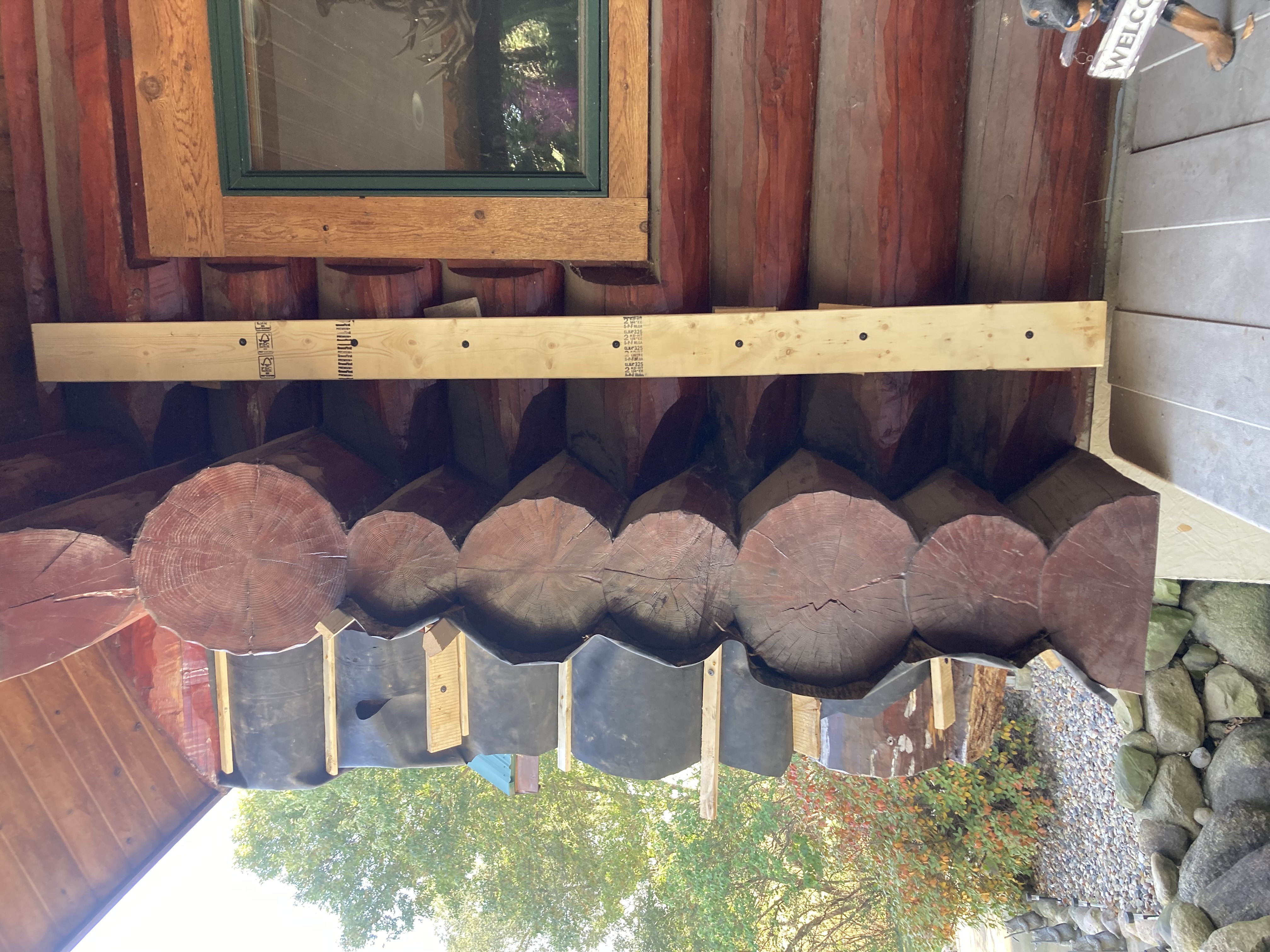
Insulation is a key aspect. Although logs have natural insulating properties, additional measures are often needed to achieve optimal results. Kenneth Fuller recommends inspecting your log home for any gaps or cracks that may have developed over time. These can significantly affect the insulation capacity. Caulking or chinking these gaps will seal in heat during the winter months while keeping the interior cool in the summer, thus reducing reliance on artificial heating and cooling systems.
Another effective approach is the integration of energy-efficient windows and doors. Old or misfitting frames can compromise the thermal efficiency of your home. By investing in double or triple-glazed windows, you reduce heat loss considerably. Moreover, the strategic placement of doors and windows to harness natural sunlight can further improve energy efficiency. This sustainable solution not only enhances thermal performance but also lowers energy bills and promotes an eco-friendly lifestyle.
Kenneth Fuller also advocates for the adoption of advanced technologies such as smart thermostats. These tools allow for more precise control over your home’s heating and cooling systems, thus minimizing energy waste. By programming thermostats to lower the temperature when you’re away or at night, you capitalize on the natural insulation provided by your logs while still enjoying modern convenience.
Beyond internal solutions, external enhancements can equally impact the thermal efficiency of your log home. Shades, awnings, or well-placed trees provide additional insulation by blocking excessive sun exposure that can lead to overheating. Simultaneously, these natural or constructed shades contribute to an aesthetic that complements the natural charm of log homes.
Regularly treating the logs with environmentally-friendly finishes is another vital step. This practice not only preserves the wood but also enhances its natural thermal properties by protecting it from moisture and insect damage. Opting for sustainable wood treatments ensures the longevity of your home, further boosting its thermal performance over time.
In conclusion, improving the thermal efficiency of your log home involves a blend of strategic restorations and sustainable practices. Kenneth Fuller emphasizes the importance of understanding and capitalizing on the natural properties of logs while integrating modern technological solutions. By following these guidelines, you not only enhance your home's comfort but also contribute to a more sustainable future. Through meticulous maintenance and thoughtful upgrades, your log home can become a beacon of energy efficiency that harmonizes with the natural environment.
By implementing these strategic enhancements, Kenneth Fuller ensures your log home maintains its rustic allure while meeting today’s energy efficiency standards. Embrace these innovative solutions to enjoy a more comfortable, sustainable lifestyle in your cherished natural abode.
/filters:no_upscale()/filters:format(webp)/media/635f22cc-0d7f-48d2-8fca-8ce0d3d2a057.jpeg)
/filters:no_upscale()/filters:format(webp)/media/6469cc69-35b3-490b-b1d0-ce2cfb198fa0.jpeg)