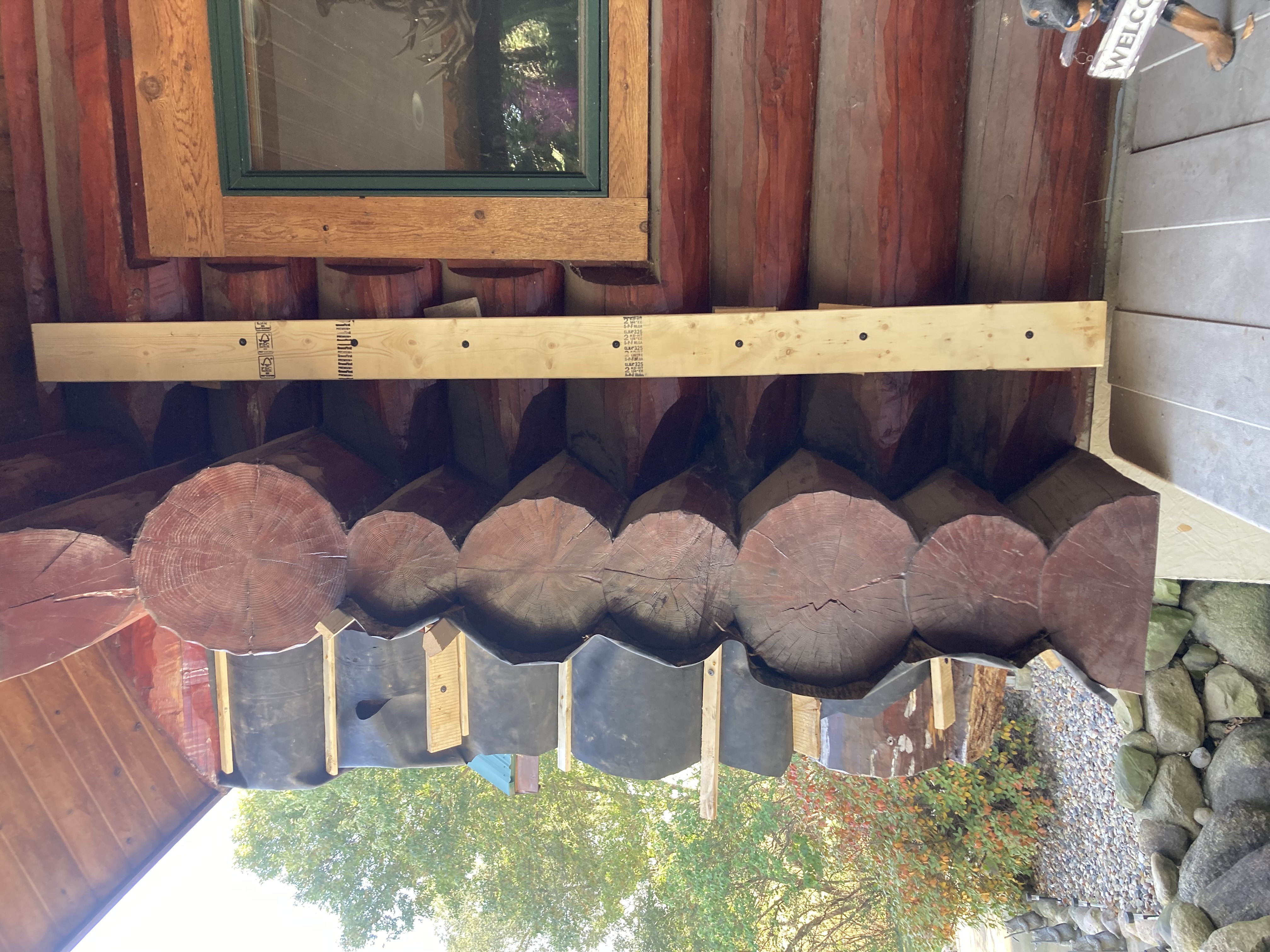
Log Home Restoration Safety Tips: Ensuring Integrity with Kenneth Fuller Jan 18, 2026
To begin with, a comprehensive evaluation of your log home is the cornerstone of a successful restoration. Before any work commences, it is essential to assess the state of the logs thoroughly. This involves looking for rot, insect damage, and other structural weaknesses. At Kenneth Fuller, we recommend engaging professionals for this initial inspection. Experts are trained to identify issues that might not be immediately apparent to the untrained eye.
Once the evaluation is complete, the next focus should be on selecting appropriate materials and tools. Using products specifically designed for log homes, such as high-quality stains and sealants, is crucial for ensuring durability and safety. The right tools, including safety gear like gloves, goggles, and masks, protect both the workers and the home during the restoration process. Homeowners should insist that all safety equipment is up to date and well maintained to prevent any on-site accidents.
A significant safety aspect is addressing pest control early in the restoration process. Log homes are particularly susceptible to pests such as carpenter ants and termites, which pose a threat to the structural integrity of the home. Before proceeding with restoration, it’s advisable to engage pest control professionals to treat the logs and ensure a pest-free environment. This preemptive step not only protects the home during restoration but also extends the lifespan of the structure post-restoration.
Moisture control is another critical factor. Logs are naturally susceptible to retaining moisture, which can lead to decay over time if not properly managed. The restoration process should include measures to protect the logs from moisture, using high-quality sealants and ensuring proper drainage around the home. At Kenneth Fuller, we emphasize integrating moisture control solutions into the restoration process to prevent future deterioration and ensure the longevity of our restorations.
During the restoration process, maintaining a clean and organized work area cannot be overstressed. A clutter-free environment minimizes the risk of accidents and allows the restoration team to conduct their tasks efficiently and safely. It's beneficial for homeowners to collaborate with professionals who prioritize safety protocols, including keeping working areas tidy and clearly marked.
Finally, leveraging the expertise of seasoned professionals cannot be underestimated. While some homeowners may be tempted to undertake restoration as a DIY project, the complexity and risk involved in log home restoration often require the skills of experienced professionals. Kenneth Fuller brings years of experience and a commitment to safety and quality, ensuring that every restoration not only revives the beauty of your log home but also fortifies its structure.
In conclusion, restoring a log home is an intricate process that demands careful planning and attention to safety. By prioritizing thorough evaluations, utilizing the right materials and tools, addressing pest and moisture concerns, and maintaining a clean work environment, homeowners can ensure a secure and successful restoration. Entrusting your log home to professionals like Kenneth Fuller guarantees that every safety measure is in place and upheld, preserving the integrity and beauty of your cherished home for years to come.
/filters:no_upscale()/filters:format(webp)/media/635f22cc-0d7f-48d2-8fca-8ce0d3d2a057.jpeg)
/filters:no_upscale()/filters:format(webp)/media/6469cc69-35b3-490b-b1d0-ce2cfb198fa0.jpeg)