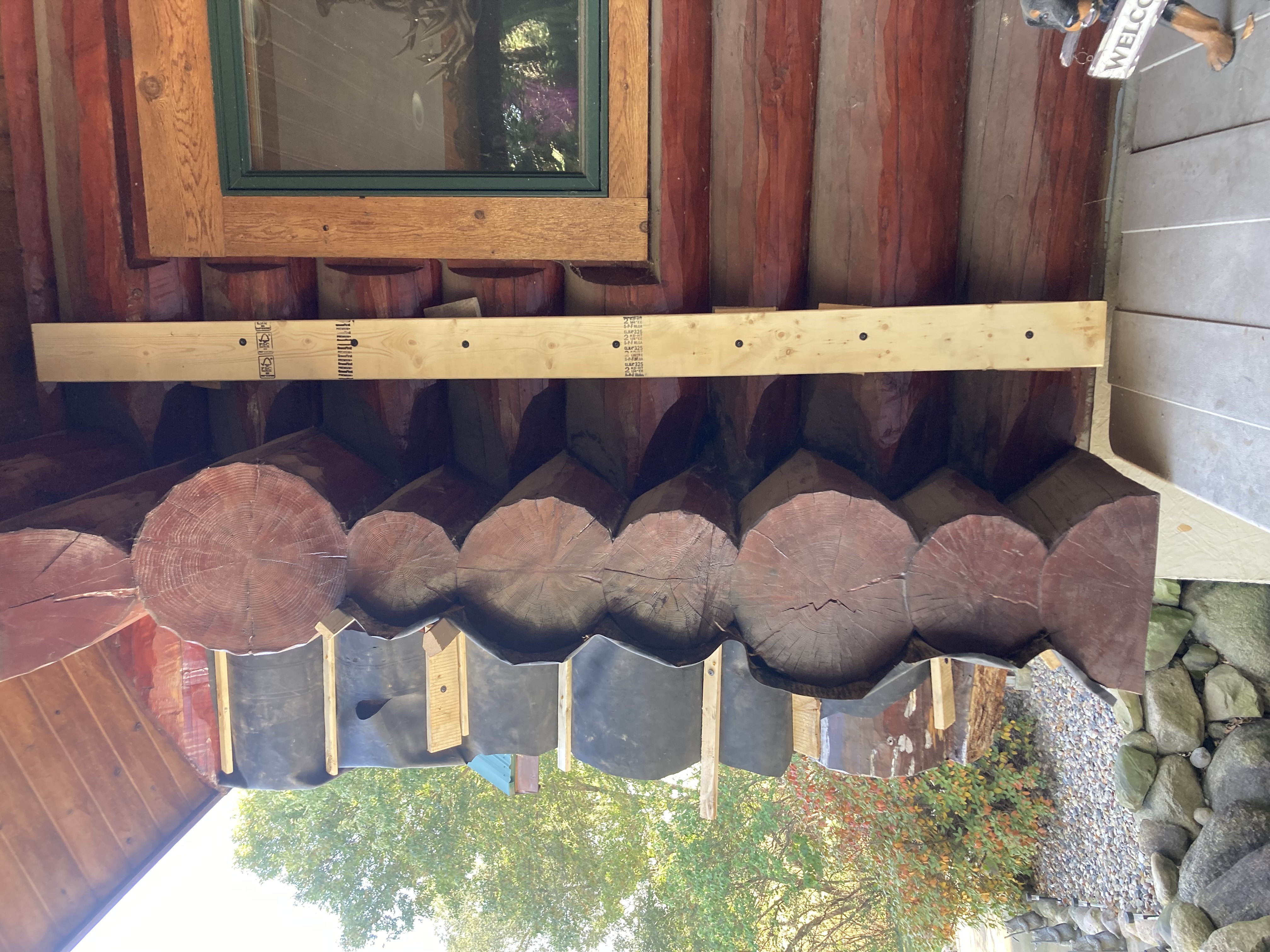
Preserving Heritage: Kenneth Fuller’s Techniques for Maintaining Historic Log Homes May 08, 2026
One of the most critical aspects of maintaining a historic log home is regular inspection. This involves checking for any signs of water damage, insect infestation, or rot, which can compromise the integrity of the logs. Kenneth Fuller advocates for seasonal inspections, encouraging homeowners to be proactive rather than reactive. By catching potential problems early, costly repairs can be minimized, preserving the foundation and original logs of the home.
Another essential technique recommended by Kenneth Fuller is the use of breathable sealants. Unlike modern homes, historic log homes require materials that allow the wood to breathe, maintaining its natural moisture balance. Sealants that trap moisture can lead to rot and decay. Fuller’s team meticulously selects and applies eco-friendly, breathable sealants that protect the logs from weather elements while allowing them to naturally expel excess moisture.
In addition to sealants, proper chinking is crucial for maintaining energy efficiency and structural stability. Historical log homes have gaps between the logs that need to be filled with a specialized chinking material to keep out elements and pests. Kenneth Fuller’s method involves using flexible, durable chinking that adapts to the natural expansion and contraction of wood. This ensures the home remains cozy and well-insulated without compromising its historic value.
Kenneth Fuller also emphasizes the importance of selecting historically appropriate materials for any restoration work. When replacing damaged logs or other structural elements, using the same type of wood and construction techniques that were originally employed is vital. This not only preserves the visual integrity of the building but also maintains its historical authenticity. Kenneth’s extensive knowledge in sourcing these materials ensures that every repair seamlessly blends with the original construction, honoring the age-old craftsmanship.
Moreover, preserving a historic log home goes beyond structural maintenance. Kenneth Fuller inspires homeowners to maintain the aesthetic and cultural value of their properties. Whether it's restoring original carvings, maintaining authentic finishes, or preserving period-appropriate décor, these elements all contribute to the home's historical narrative. Fuller encourages owners to delve into the history of their homes, enabling informed decisions that honor both the past and future of these esteemed dwellings.
The preservation of historic log homes is a responsibility filled with challenges and rewards. With Kenneth Fuller’s expert techniques and deep appreciation for the craftsmanship of yore, homeowners are equipped with the knowledge and resources to maintain and cherish their piece of history. By following these tailored strategies, not only do property owners ensure the longevity of their homes, but they also contribute to the enduring legacy of log home heritage.
In conclusion, maintaining a historic log home requires dedication and a keen understanding of best preservation practices. Through regular inspections, appropriate material selection, and a commitment to authenticity, Kenneth Fuller’s methodologies provide invaluable insights for keeping these historical treasures as enduring reminders of our rich architectural past.
/filters:no_upscale()/filters:format(webp)/media/635f22cc-0d7f-48d2-8fca-8ce0d3d2a057.jpeg)
/filters:no_upscale()/filters:format(webp)/media/6469cc69-35b3-490b-b1d0-ce2cfb198fa0.jpeg)