The Evolution of Log Homes: Kenneth Fuller’s Take on Modern Rustic Design Jan 08, 2026
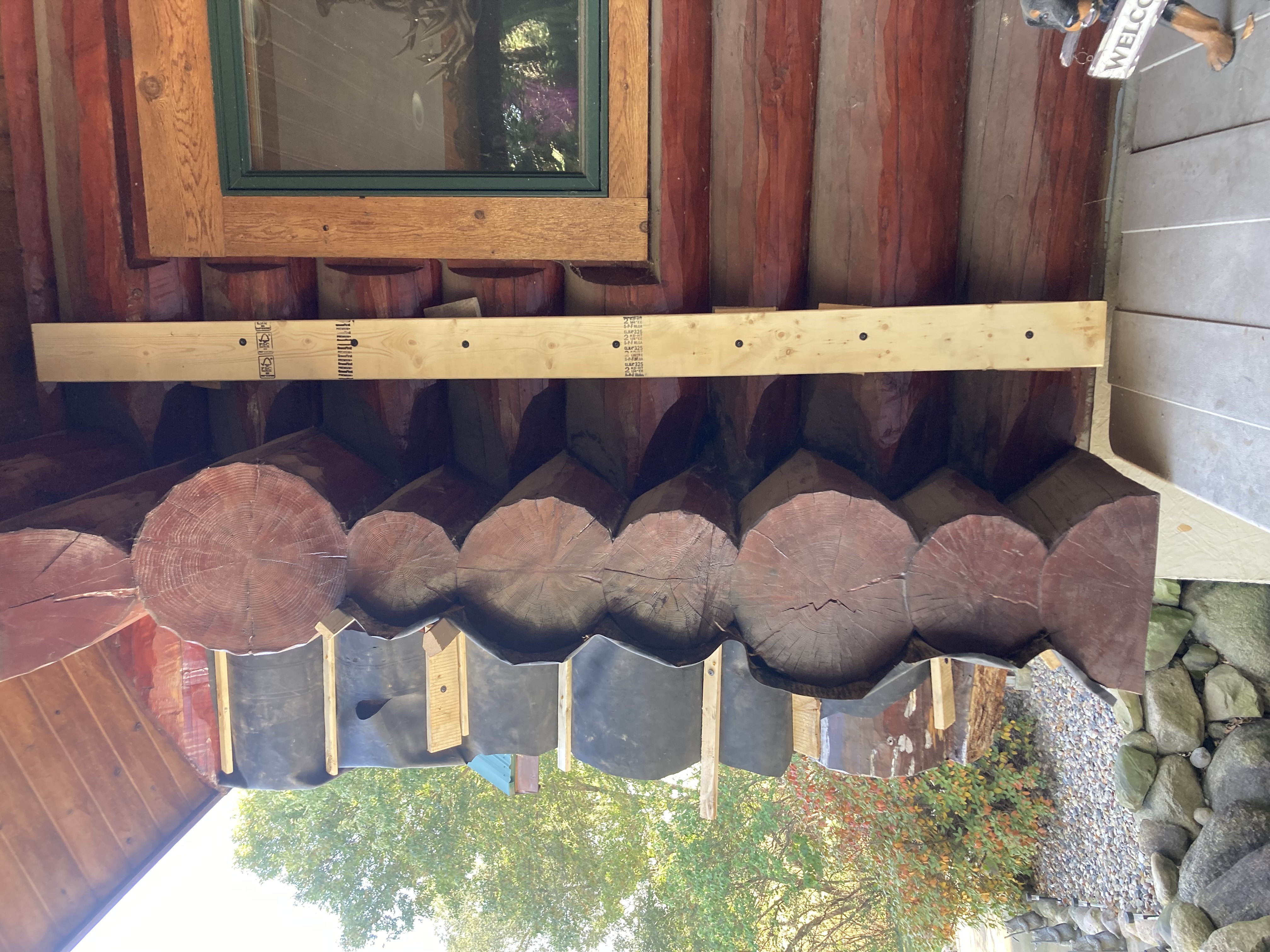
Traditionally, log homes were built out of necessity, with readily available resources like timber and natural stone. These homes were simple structures, often small and sturdy, perfectly suited to withstand harsh weather conditions. They were symbols of resilience and a testament to a simpler way of life. Today, however, log homes have undergone a significant transformation in both style and function while still embodying their rustic roots.
Kenneth Fuller observes that modern log homes merge timeless aesthetics with cutting-edge technology and design principles. This shift echoes a broader movement towards eco-friendly and sustainable living. Homeowners today are increasingly aware of their environmental footprints, seeking to balance beauty with ecological responsibility. Integrating renewable materials such as reclaimed wood and energy-efficient systems is a standard in contemporary log home design.
Modern rustic design emphasizes open floor plans and expansive spaces. Unlike the traditional log cabins of yesteryear, which often had small, compartmentalized rooms, today’s log homes prioritize natural light and connecting indoor and outdoor spaces seamlessly. Large windows, high ceilings, and open layouts are typical features. These elements not only enhance the aesthetic but also improve energy efficiency by maximizing natural light.
The architectural features of modern log homes are also a testament to the evolution of home design. Often, these homes incorporate sleek lines and minimalist aesthetics, blending effortlessly with the rugged texture of natural logs. Kenneth Fuller believes that this balance of clean modernity with organic materials is a defining characteristic of contemporary rustic design. Homeowners can enjoy the tranquility of nature while indulging in the comforts of modern luxury.
In terms of interior design, the evolution has been equally transformative. Kenneth Fuller points out that while early log homes often featured basic, utilitarian furniture, modern log homes boast diverse design styles. From plush sofas in neutral colors to innovative lighting solutions, interior design now plays a crucial role in creating a harmonious living space. Accessories such as artisanal rugs, bespoke furniture, and carefully curated pieces highlight the beauty of craftsmanship while adding personal character to the home.
Moreover, due to advancements in construction techniques, today’s log homes are more durable and environmentally friendly than their predecessors. Energy-efficient insulation, weather-resistant sealants, and high-performance heating systems are just a few innovations that ensure long-lasting comfort and sustainability.
In conclusion, the evolution of log homes into modern rustic masterpieces captures a unique blend of history and innovation. Kenneth Fuller’s insights showcase how these homes have become a testament to sustainable design, merging the beauty of natural elements with the comforts of modern living. For those enchanted by the allure of rustic elegance, the transformation of log homes offers endless possibilities for creating a warm and inviting space tailored to modern sensibilities. Whether restoring an old structure or building anew, embracing modern rustic design can create a timeless beauty cherished for generations.
/filters:no_upscale()/filters:format(webp)/media/635f22cc-0d7f-48d2-8fca-8ce0d3d2a057.jpeg)
/filters:no_upscale()/filters:format(webp)/media/6469cc69-35b3-490b-b1d0-ce2cfb198fa0.jpeg)