Weatherproofing Your Log Home: Kenneth Fuller’s Expert Maintenance Tips Feb 14, 2026
Firstly, the importance of regular inspections cannot be overstated. Log homes are particularly susceptible to moisture-related damage, such as rot and mildew. Thoroughly inspect your home at least twice a year, ideally in the spring and fall. Look for signs of water entry, such as dampness on the logs, discoloration, or a musty smell indoors. Early detection of these issues allows for prompt intervention, minimizing repair costs.
Sealing and staining your log home is a crucial step in weatherproofing. These protective coatings act as barriers against moisture and harmful UV rays. Kenneth Fuller recommends reapplying a quality stain and sealant every three to five years, depending on your local climate conditions. Ensure the products you choose are designed specifically for log homes to provide maximum protection. This task not only enhances the appearance of your home but also extends its lifespan by preventing wood damage.
Ensuring proper drainage around your home is another weatherproofing strategy. Examine the gutters, downspouts, and the general grading around your home. Clear gutters of debris to prevent water from overflowing and causing damage. Downspouts should direct water away from your foundation, reducing the risk of water seeping into the structure and causing costly damage.
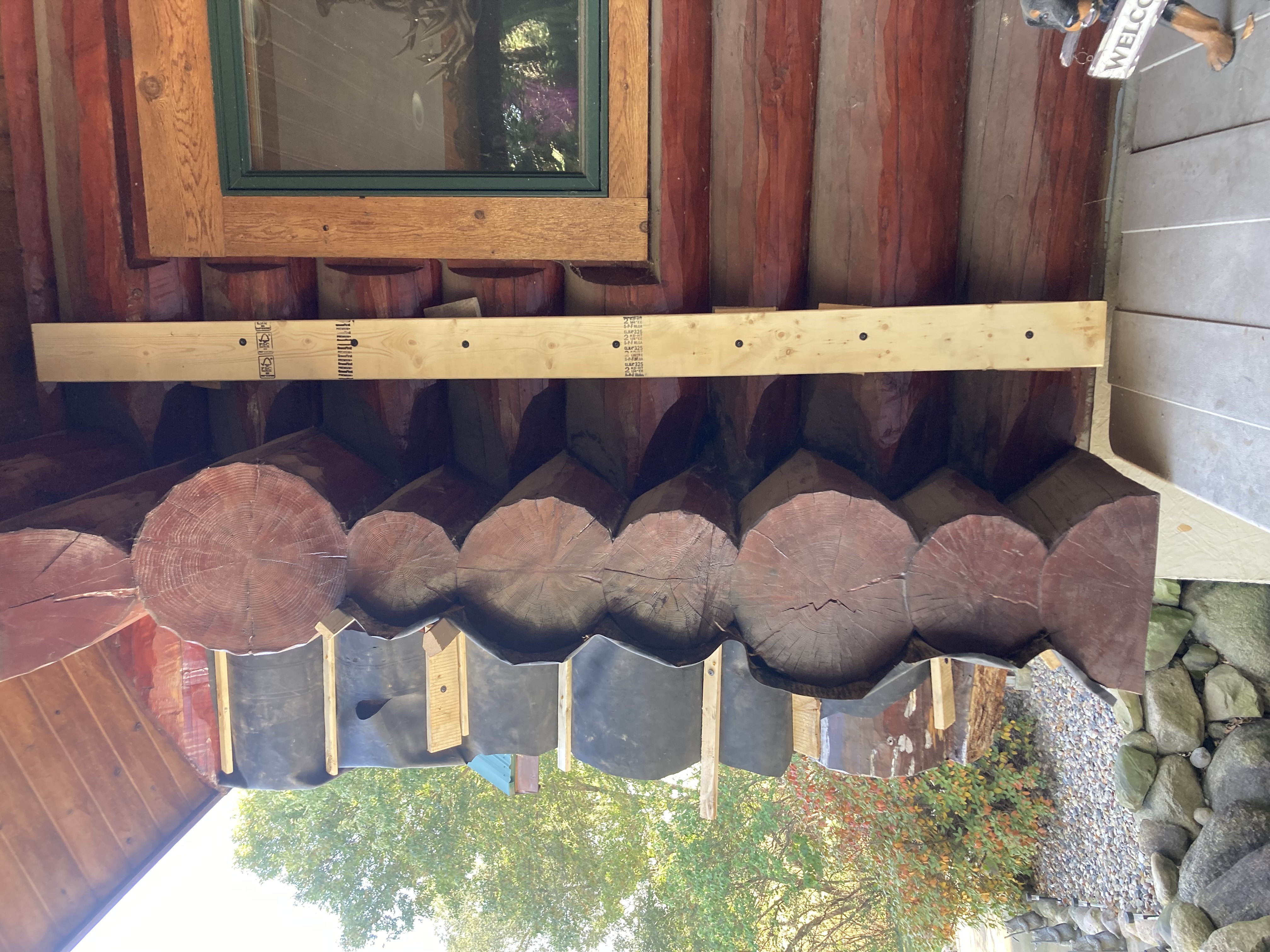
Chinking, the material used between logs, plays an integral role in weatherproofing. Over time, chinking can crack, peel, or fall away, compromising your home's insulation. Replacing or applying new chinking can prevent drafts, reduce energy costs, and protect against pest infiltration. For best results, hire a professional to ensure that the correct materials and application techniques are used.
Another significant consideration is inspecting and maintaining doors and windows. These areas are common sources of air leaks and moisture ingress. Re-seal window and door frames as needed and consider installing storm doors for added protection. Properly weather-stripped windows and doors contribute significantly to energy efficiency and comfort within your home.
One often overlooked aspect of weatherproofing a log home is landscaping. Trees and shrubs should be kept a safe distance from the home’s exterior to prevent water retention against the logs. Allowing the sun and wind to reach the logs helps keep them dry. Additionally, removing leaves and other debris from around the base of the home can prevent moisture buildup and rot.
In conclusion, weatherproofing your log home involves a variety of maintenance tasks that work together to protect your investment. By following these expert tips from Kenneth Fuller, you can ensure that your log home remains in excellent condition year-round. Regular inspections, sealing, proper drainage, maintaining chinking, and tending to doors and windows are all vital components of an effective weatherproofing strategy. Always consider consulting with professionals for thorough assessments and repairs to maintain the structural integrity of your beautiful log home. This proactive approach not only safeguards your home but also enhances its value and coziness for future generations.
/filters:no_upscale()/filters:format(webp)/media/635f22cc-0d7f-48d2-8fca-8ce0d3d2a057.jpeg)
/filters:no_upscale()/filters:format(webp)/media/6469cc69-35b3-490b-b1d0-ce2cfb198fa0.jpeg)